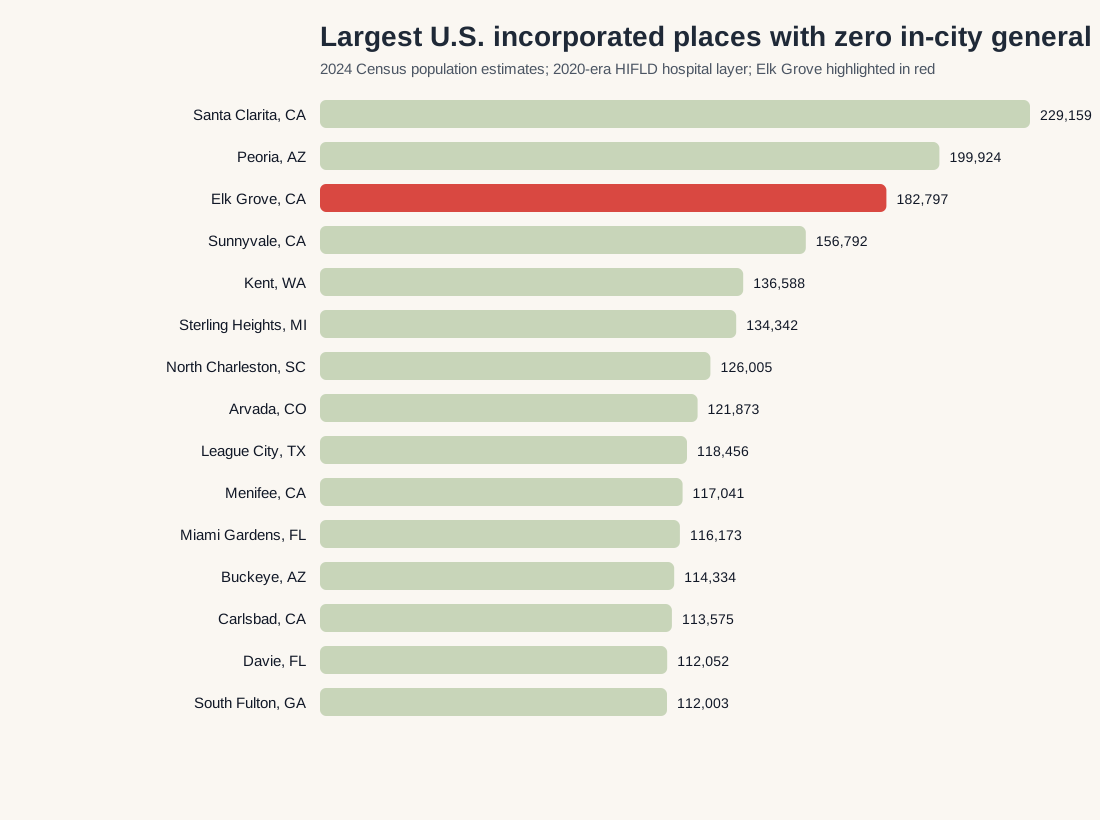
I built this analysis after noticing a strange pattern in the public hospital data: Elk Grove kept showing up as a city where the numbers did not line up with the size of the place.
The short version is simple. When you compare incorporated-place population data with a public hospital layer, Elk Grove still stands out.
The core finding
Using the national hospital layer alongside 2024 Census incorporated-place estimates, Elk Grove appears to be one of only a tiny handful of U.S. cities with 150,000+ residents that match to zero open general acute care hospitals inside city limits.
That is not a small anomaly. It is a real urban planning and access question.
The California-only check points in the same direction too. Elk Grove remains a large city with no in-city general acute care hospital in the statewide hospital dataset, even though nearby hospitals exist in Sacramento-area communities.
Why this matters
This is not about claiming the city has no healthcare access at all. It clearly does.
The stronger claim is narrower and more defensible: Elk Grove is a very large California city whose city limits have accumulated plenty of retail anchors, but not a hospital.
That makes it an unusually clean example of how population growth, infrastructure placement, and access can drift apart.
What I looked at
- California city population estimates
- National and California hospital layers
- Peer-city comparisons around Elk Grove’s population range
- A chart pack showing the zero-hospital outliers and population-vs-hospital relationships
The chart pack
The chart pack is the best way to see the pattern at a glance.
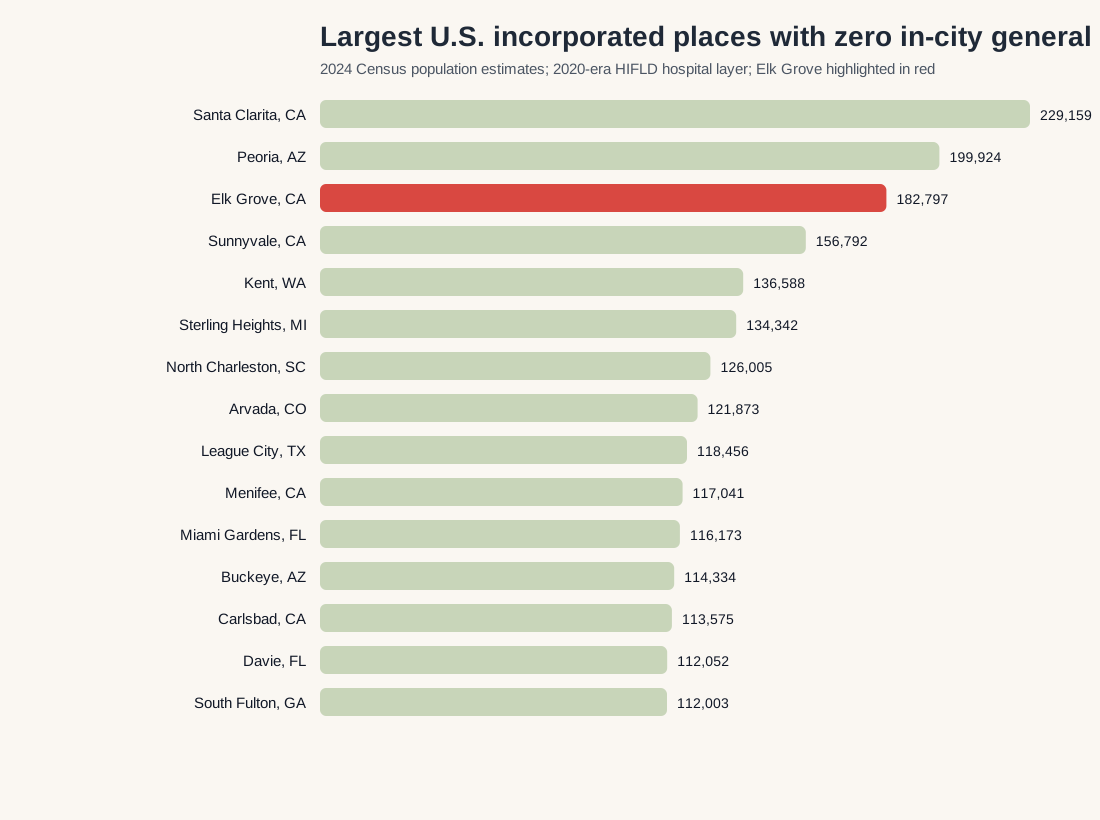
That top-level comparison is the headline view: a small group of large cities with no matched hospitals in city limits.
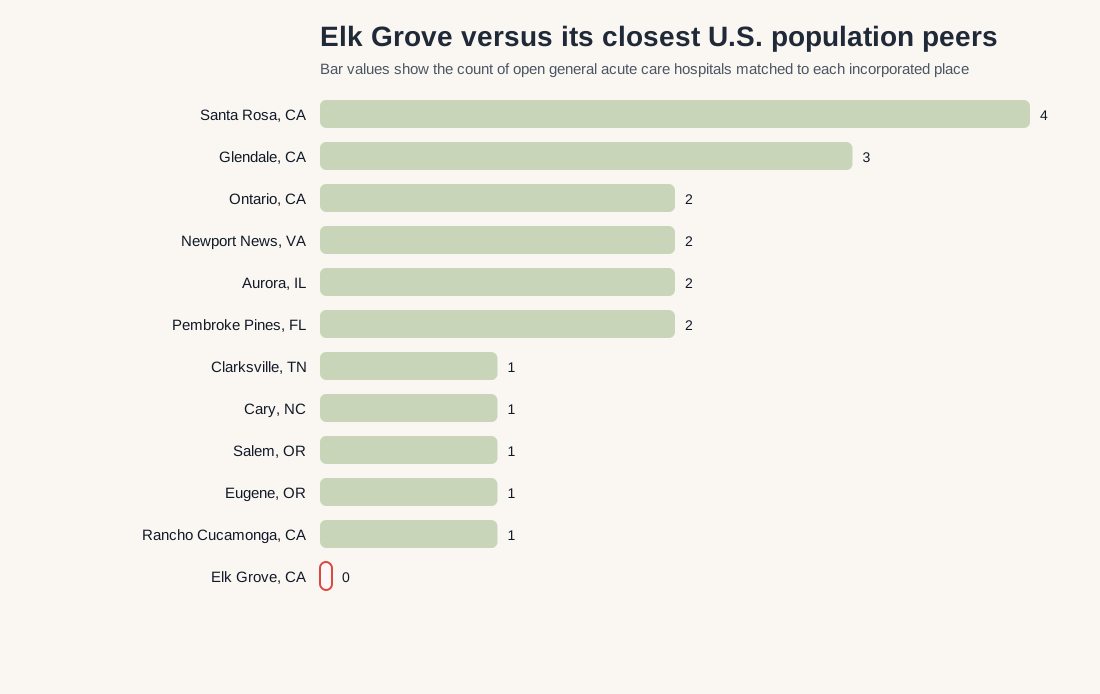
This peer chart makes the Elk Grove outlier feel more concrete by placing it next to similarly sized places that do have hospitals.
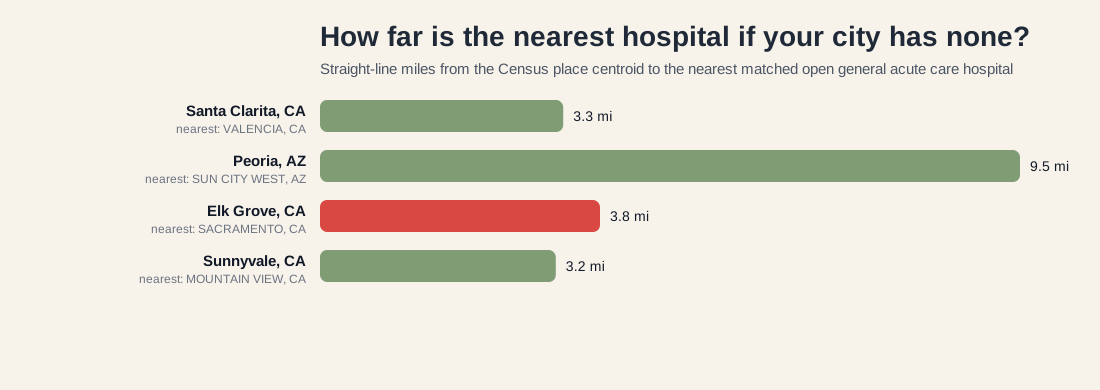
This is the cleanest closing chart because it answers the practical question underneath the whole analysis: if a city has no in-city hospital, how far is the nearest one?
Source files
If you want the fuller memo trail, I kept the supporting material here:
The underlying charts and exports are also preserved in the analysis folder so the work can be revisited or extended later.